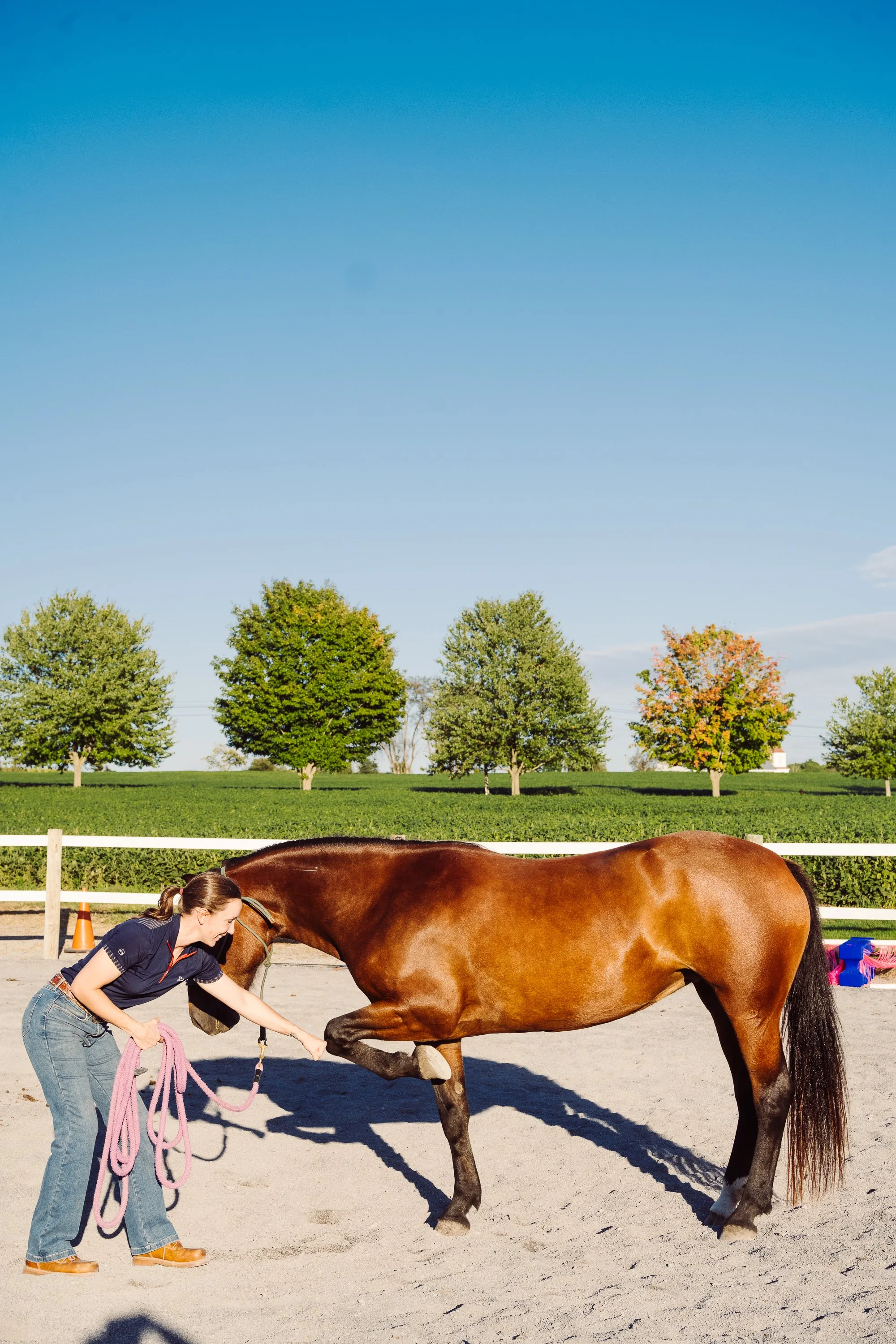
Equine Rehabilitation
A thoughtful, individualized approach to helping your horse move comfortably, feel their best, and thrive.
Whole Horse Rehabilitation
Resolute Equine Rehabilitation goes beyond treating a diagnosis. Horses spend nearly every hour of every day interacting with their environment. Their turnout, footing, feeding setup, hoof care, tack, workload, and daily management all influence how they move, function, and recover. Whole horse rehabilitation isn't just about treating the body—it's about understanding the environment the body lives in.
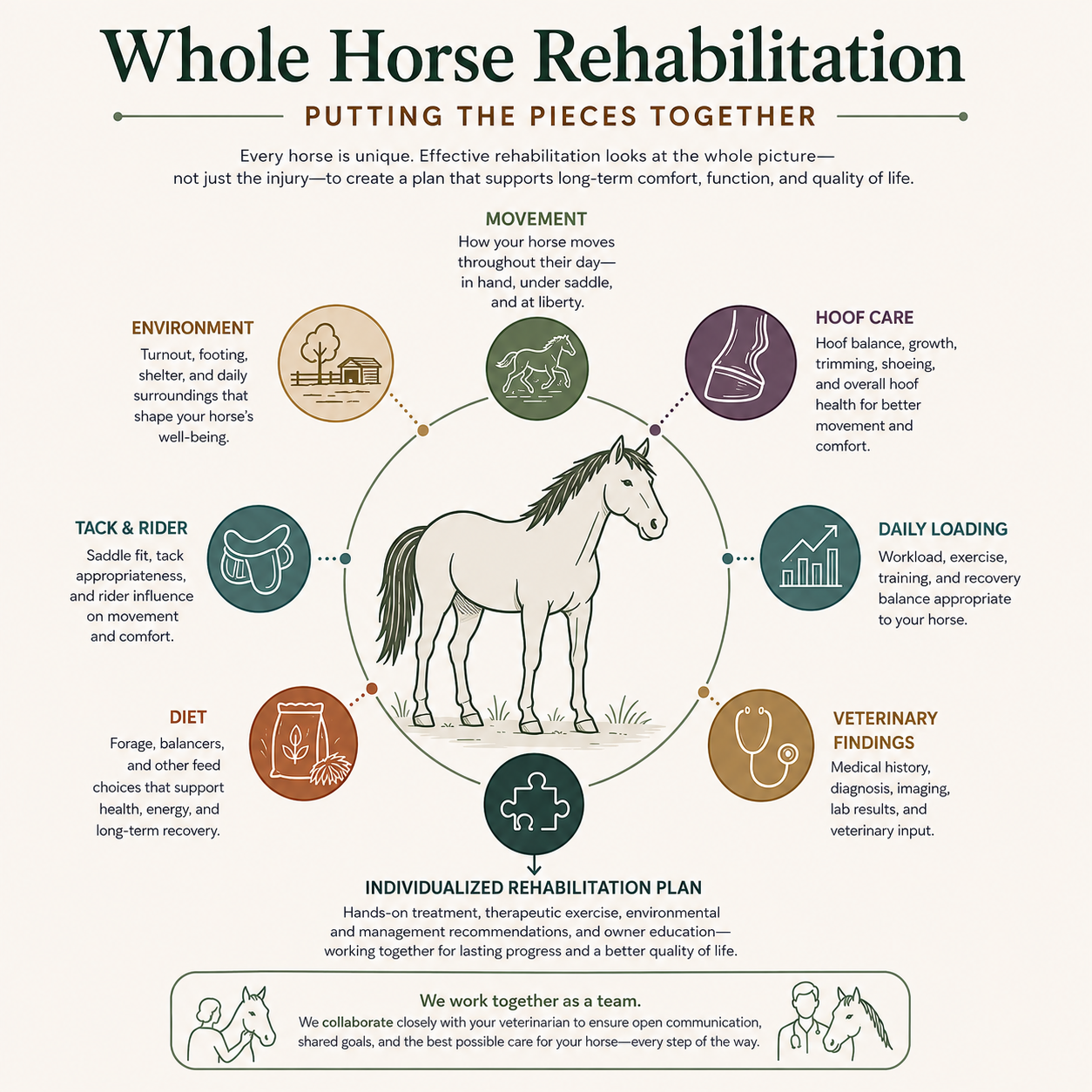
Your horse’s rehabilitation plan may include…
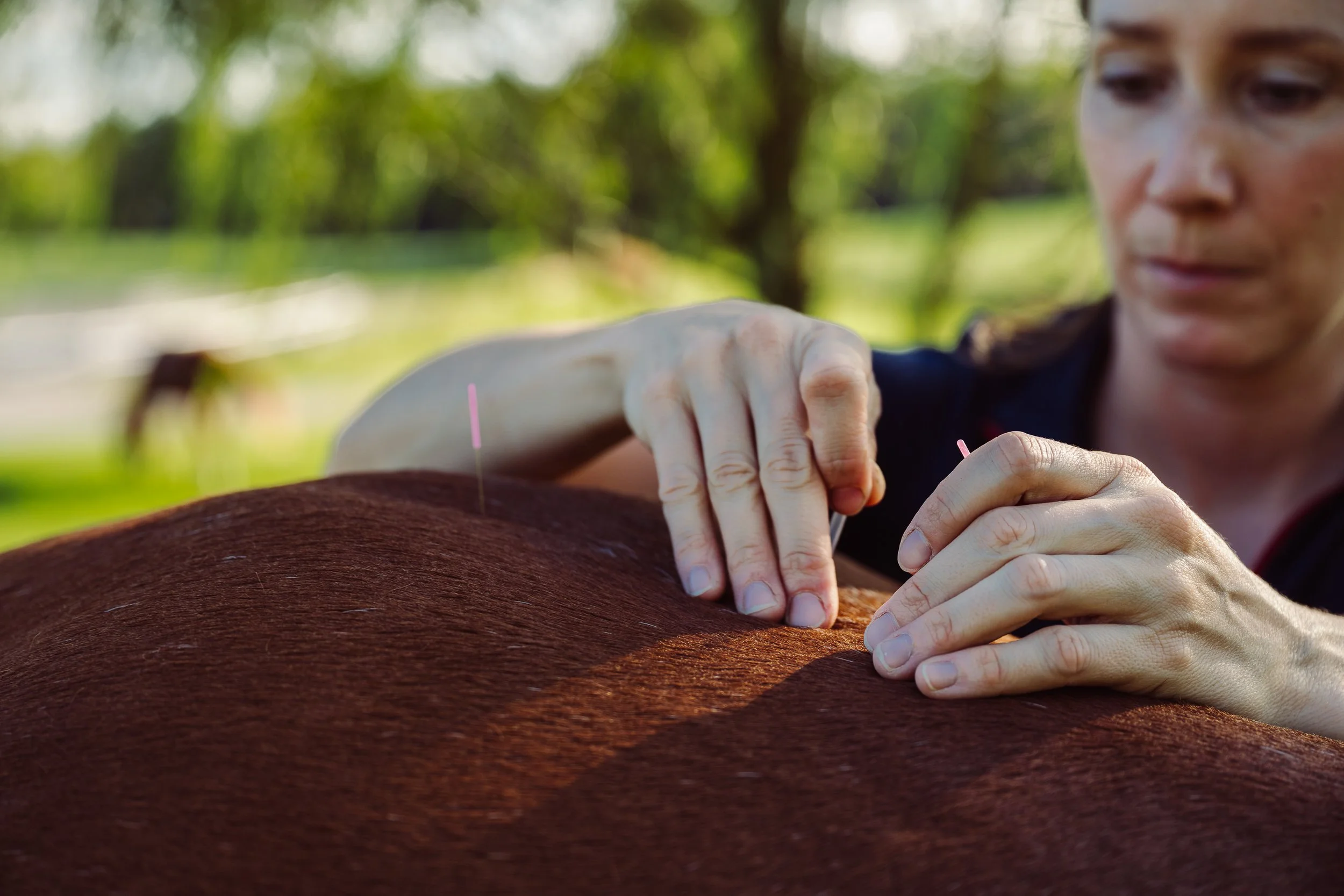
Manual Therapy
Hands-on treatment techniques used to improve joint mobility, reduce pain, restore soft tissue mobility, and support comfortable movement.
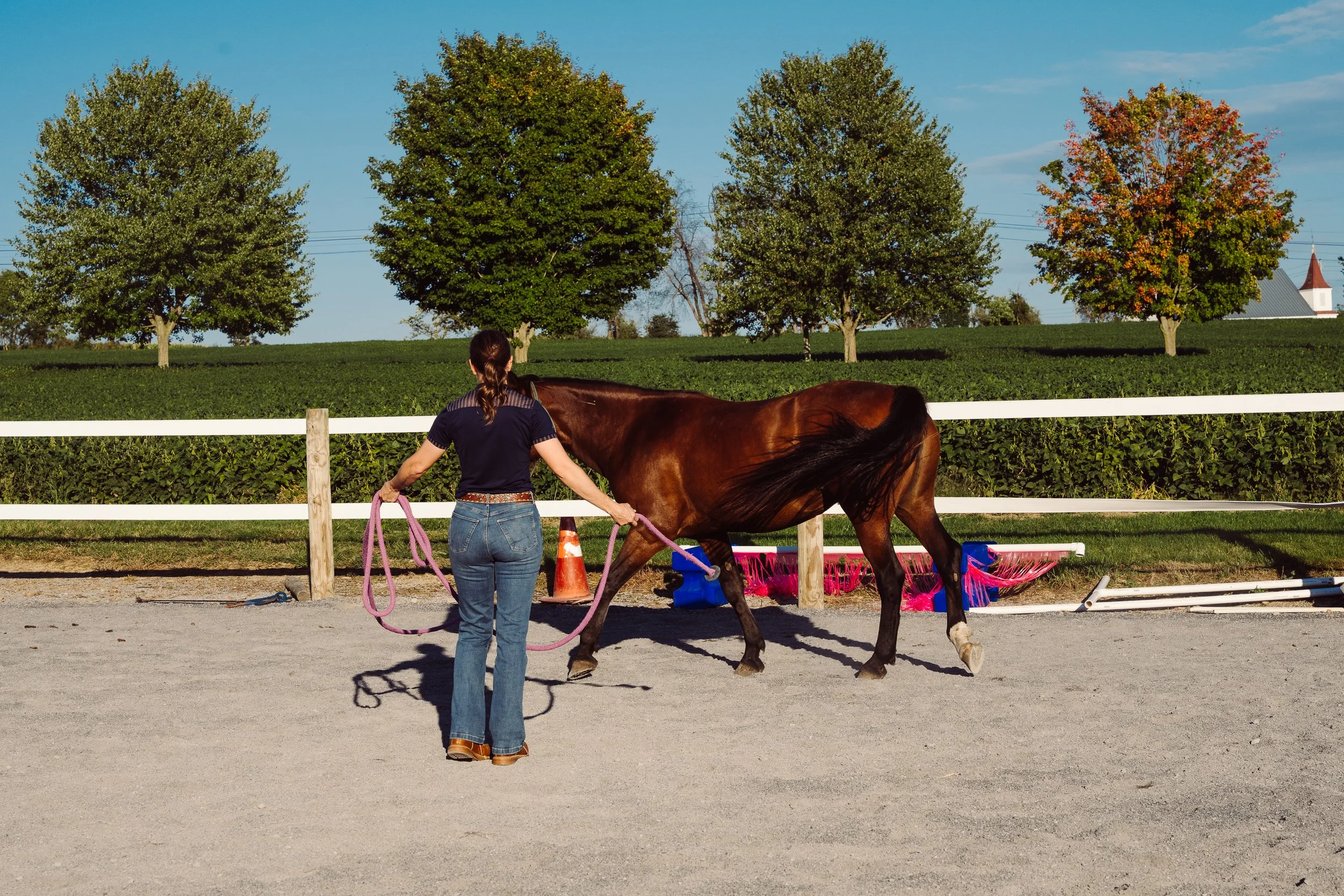
Therapeutic Exercise
Individualized exercises designed to improve strength, flexibility, balance, coordination, endurance, and overall function.
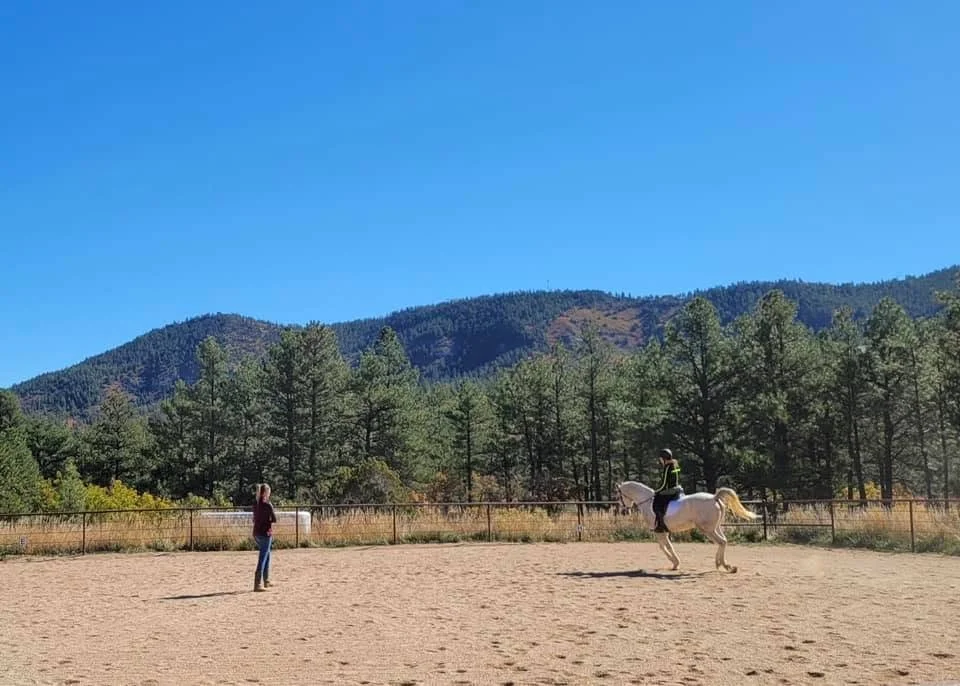
Movement & Performance Assessment
Evaluation of movement in hand, at liberty, and/or and under saddle to identify compensation patterns, movement asymmetries, and factors influencing performance or comfort.
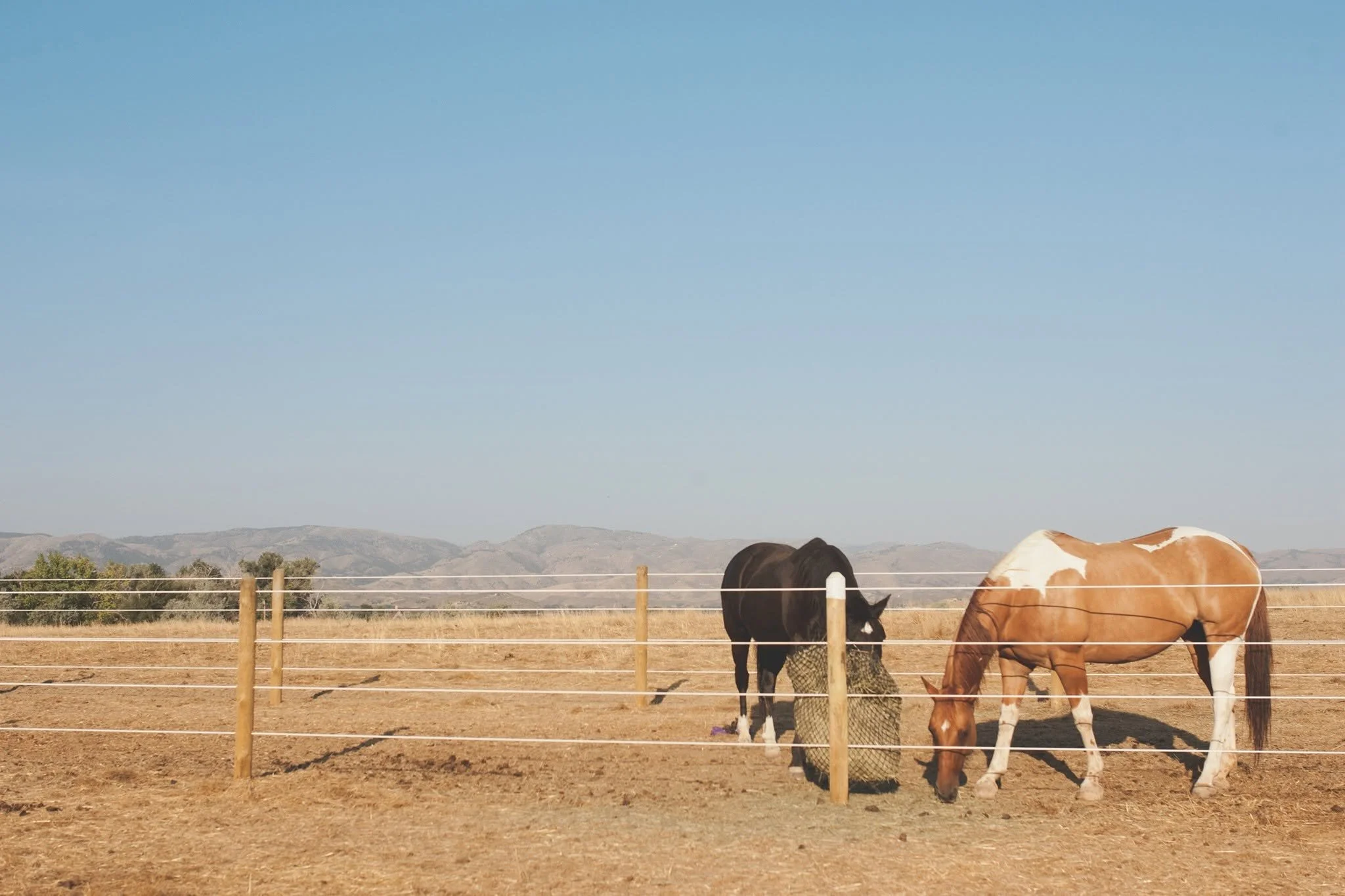
Environmental & Management Evaluation
Practical recommendations regarding turnout, footing, forage access, hay testing, tack fit, workload, and daily routines that support your horse's rehabilitation and complement your veterinarian's recommendations.
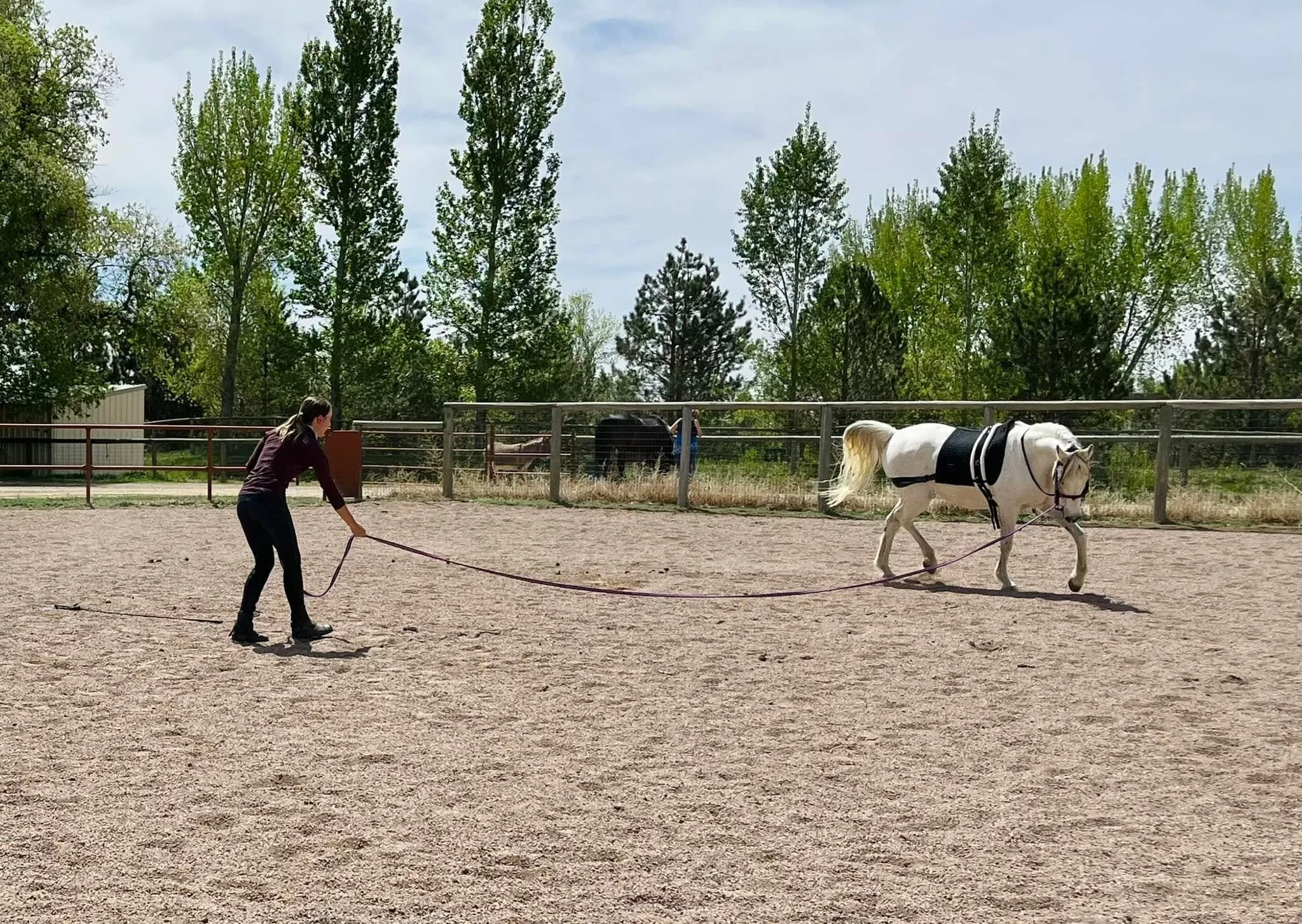
Progressive Loading & Return to Work
A carefully graded progression of exercise and workload based on tissue healing, functional goals, and your horse's response to rehabilitation.
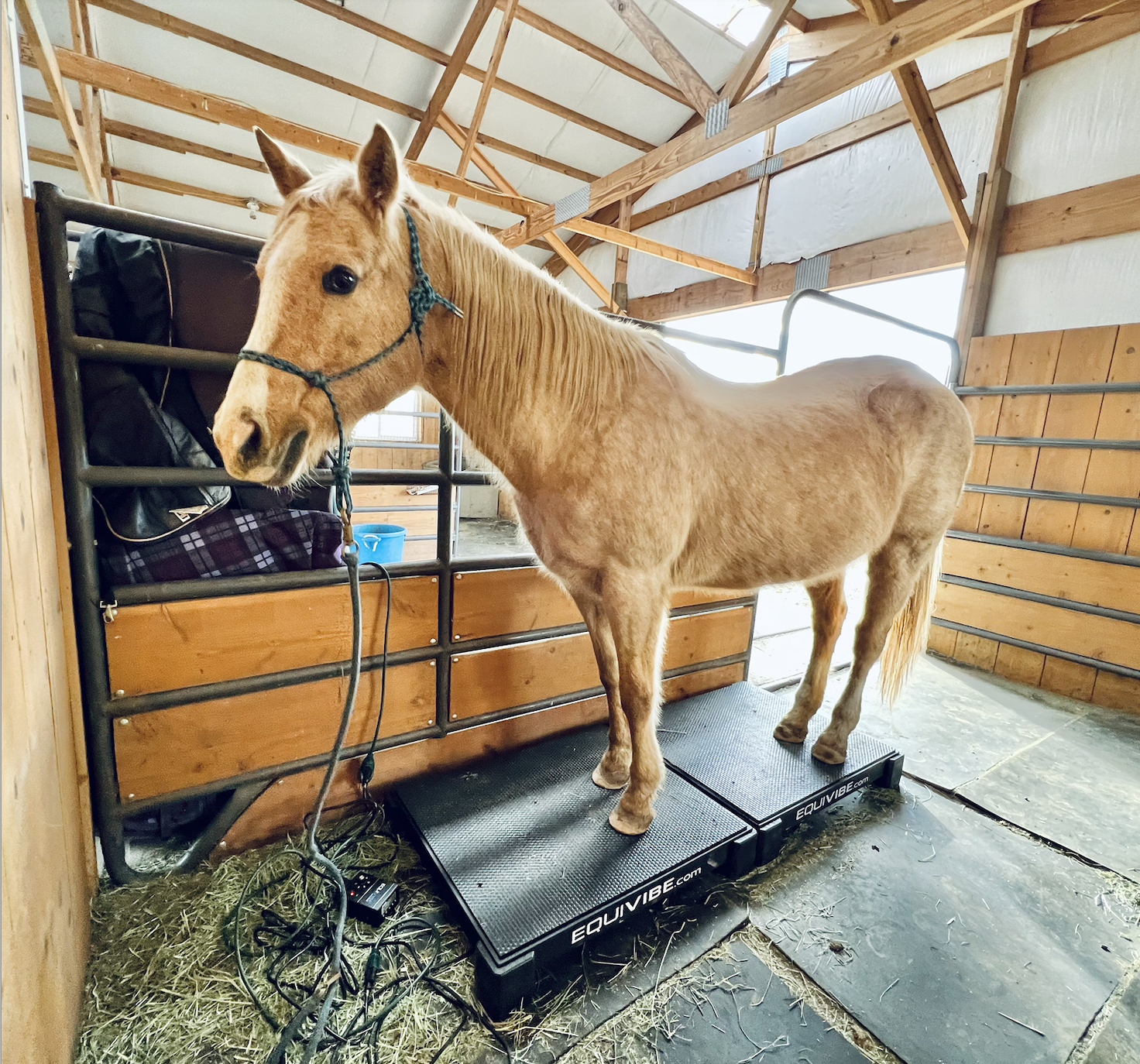
Evidence-informed tools such as electrical stimulation, PEMF, ultrasound, vibration plates, and other modalities used when appropriate to complement rehabilitation.
Therapeutic Modalities
-
Yes. Pennsylvania law requires veterinary involvement in animal rehabilitation. I work collaboratively with your veterinarian to ensure rehabilitation complements your animal's medical care.
-
Absolutely. Rehabilitation isn't only for horses recovering from injury or surgery. Many horses benefit from rehabilitation because of stiffness, chronic pain, asymmetry, poor performance, difficulty returning to work, or simply changes that occur with aging. Sometimes owners notice that their horse "just isn't moving like themselves" long before a specific diagnosis is made.
-
Yes. When appropriate, I believe rehabilitation works best as part of a collaborative team. With your permission, I'm happy to communicate with the professionals involved in your horse's care to help ensure everyone is working toward the same goals.
-
Yes. Every rehabilitation plan is individualized. Depending on your horse's needs, recommendations may include therapeutic exercises, progressive loading, turnout or management modifications, and practical strategies you can incorporate into your horse's daily routine.
-
No. Whether your horse is a retired pasture companion, a trail horse, a lesson horse, or a competitive athlete, rehabilitation is tailored to your horse's individual needs and your goals as an owner.
-
That's okay. Many owners first notice subtle changes in movement, comfort, or behavior before a clear diagnosis is established. If you're unsure whether rehabilitation may be appropriate, I'd be happy to discuss your concerns and help determine whether rehabilitation—or another step—is the best place to start.
Frequently Asked Questions
When to consider rehabilitation for your horse
Recovering After Injury or Surgery
Helping horses recover safely after injury or surgery while restoring comfort, movement, and function.
Tendon and ligament injuries
Muscle injuries
Fracture recovery
Arthroscopy and joint surgery
Lacerations affecting movement
Post-colic surgery rehabilitation
Return to work after prolonged stall rest
Managing Orthopedic Conditions
Supporting horses with musculoskeletal conditions such as:
Osteoarthritis
Suspensory injuries
Sacroiliac dysfunction
Back and neck pain
Chronic soft tissue injuries
Muscle imbalance and weakness
Persistent gait asymmetry
Maximizing Neurological Function
Helping horses regain strength, coordination, confidence, and safe movement following neurologic disease or injury.
Equine Protozoal Myeloencephalitis (EPM)
Lyme disease with neurologic deficits
Peripheral nerve injuries
Cervical spinal disorders
Balance and coordination deficits
Post-surgical neurologic rehabilitation
Managing Chronic Pain
Helping horses remain as comfortable and functinoal as possible while managing long-term conditions that affect movement and quality of life.
Osteoarthritis
Pain associated with chronic hoof such as laminitis/pedal osteitis, navicular disease, ringbone, etc.
Kissing spine
Compensatory muscle pain
Age-related stiffness
Wellnes/Maintenance Care
A proactive approach to supporting healthy movement in your horse through maintenance care and practical management strategies.
Movement screening
Mobility and flexibility programs
Balance and coordination exercises
Senior horse wellness
Maintenance rehabilitation
Environmental and management recommendations
Owner education
Post Competition Recovery
Helping horses recover comfortably after competition, travel, clinics, or periods of increased workload so they can return to training feeling their best.
Recovery after shows and competitions
Post-clinic recovery
Long-distance hauling
Heavy training blocks
Muscle soreness and fatigue
Gradual return to regular work
Don't see your horse’s condition?
Every horse is unique. Movement challenges are often influenced by more than a single diagnosis, and rehabilitation is tailored to the individual horse, their environment, and their goals.
If you're wondering whether rehabilitation may be appropriate for your horse, I'd be happy to discuss your individual situation.
Not sure if rehabilitation is the right next step?
You don't have to know whether rehabilitation is the answer before reaching out.
Sometimes rehabilitation is exactly what's needed. Other times, additional diagnostics, medical treatment, or simply monitoring may be the better next step. My goal is never to recommend more care than your horse needs—it's to help you make thoughtful, informed decisions that support their long-term health and quality of life.