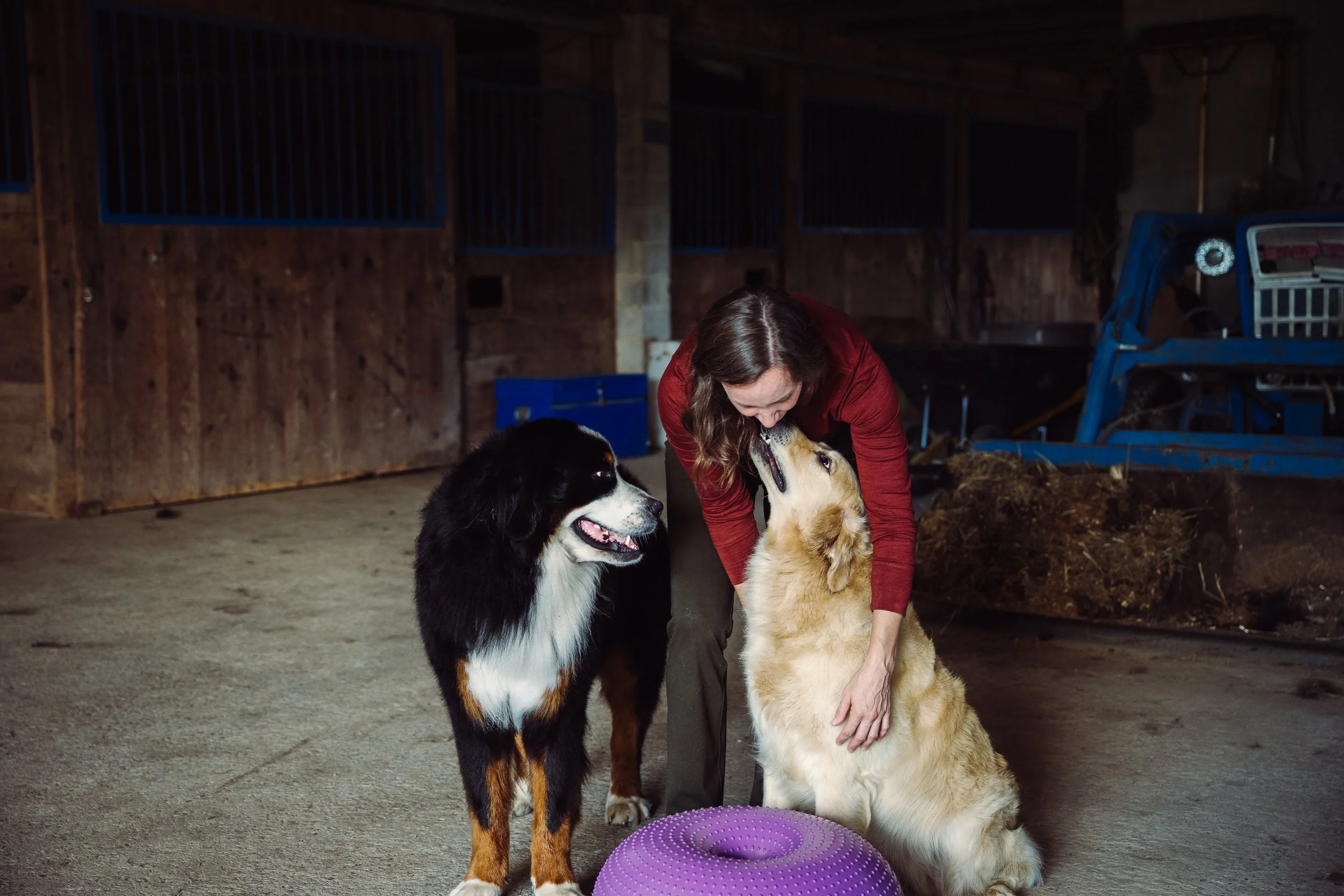
Canine Rehabilitation
A thoughtful, individualized approach to helping your dog move, recover, and thrive.
Thoughtful Rehabilitation for Every Dog
Canine rehabilitation is the science and art of improving movement, function, comfort, and quality of life. Whether your dog is recovering from surgery, managing arthritis, returning to sport, or simply slowing down with age, rehabilitation is tailored to their individual needs and goals.
Resolute Animal Rehabilitation works collaboratively with Dr. Mary Ellen Sayre of ZenPet Veterinary Care to provide individualized physical rehabilitation with veterinary oversight at Allegheny Spay & Neuter Clinic in State College, Pennsylvania.
Referrals from outside veterinarians are always welcome. Your dog's existing veterinarian remains an important part of the care team, with collaborative evaluations and additional veterinary involvement coordinated as appropriate to each patient's needs.
From Diagnosis to Recovery
How Rehabilitation Fits in to Your Dog’s Journey
You Notice a Change
You know your dog best. Subtle changes in movement, behavior, comfort, or performance are often the first signs that something isn't right.
Veterinary Evaluation
Dogs may enter rehabilitation with a referral from their existing veterinarian or receive a collaborative evaluation with Dr. Sayre and Dr. Selzer when additional assessment is appropriate. Veterinary oversight is maintained throughout rehabilitation, with care coordinated around each patient's needs.
Individualized Treatment Plan
We develop a rehabilitation plan based on your dog's diagnosis, functional limitations, goals, and lifestyle. Treatment may include hands-on therapy, therapeutic exercise, physical modalities, and a home program, alongside veterinary medical management when indicated.
Follow-up Rehabilitation Care
Dr. Selzer provides ongoing rehabilitation treatment, monitors progress, and adjusts the program as your dog gains strength, mobility, and confidence. Dr. Sayre provides veterinary oversight, with communication maintained with your dog's referring veterinarian.
Veterinary Re-check & Progress Together
Veterinary reassessment is coordinated with Dr. Sayre or your dog's referring veterinarian as appropriate. Together, we monitor progress, refine recommendations, and guide the next steps toward improved mobility & quality of life.
Your dog’s rehabilitation plan may include…
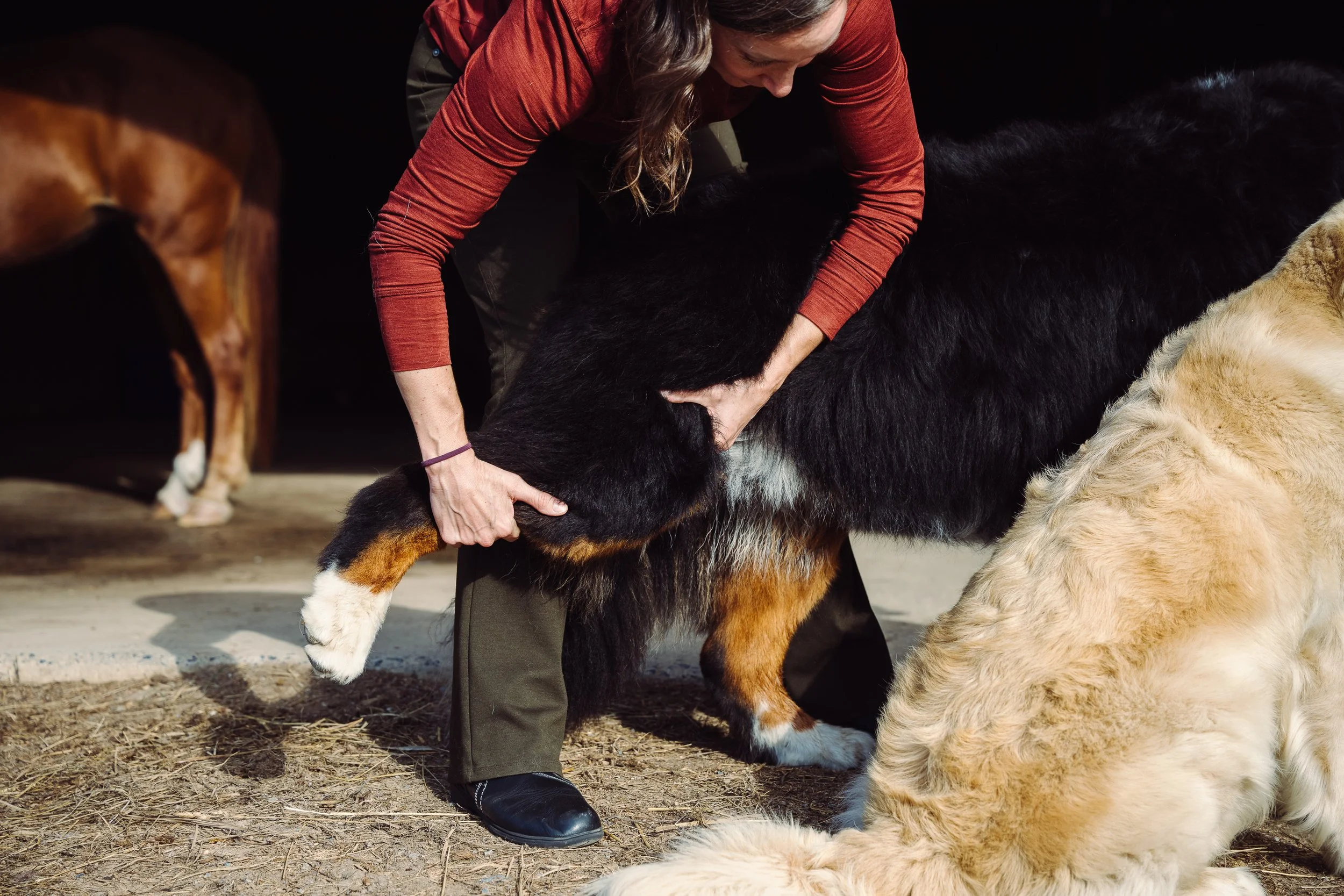
Hands-on treatment techniques used to improve joint mobility, reduce pain, restore soft tissue mobility, and support comfortable movement.
Manual Therapy
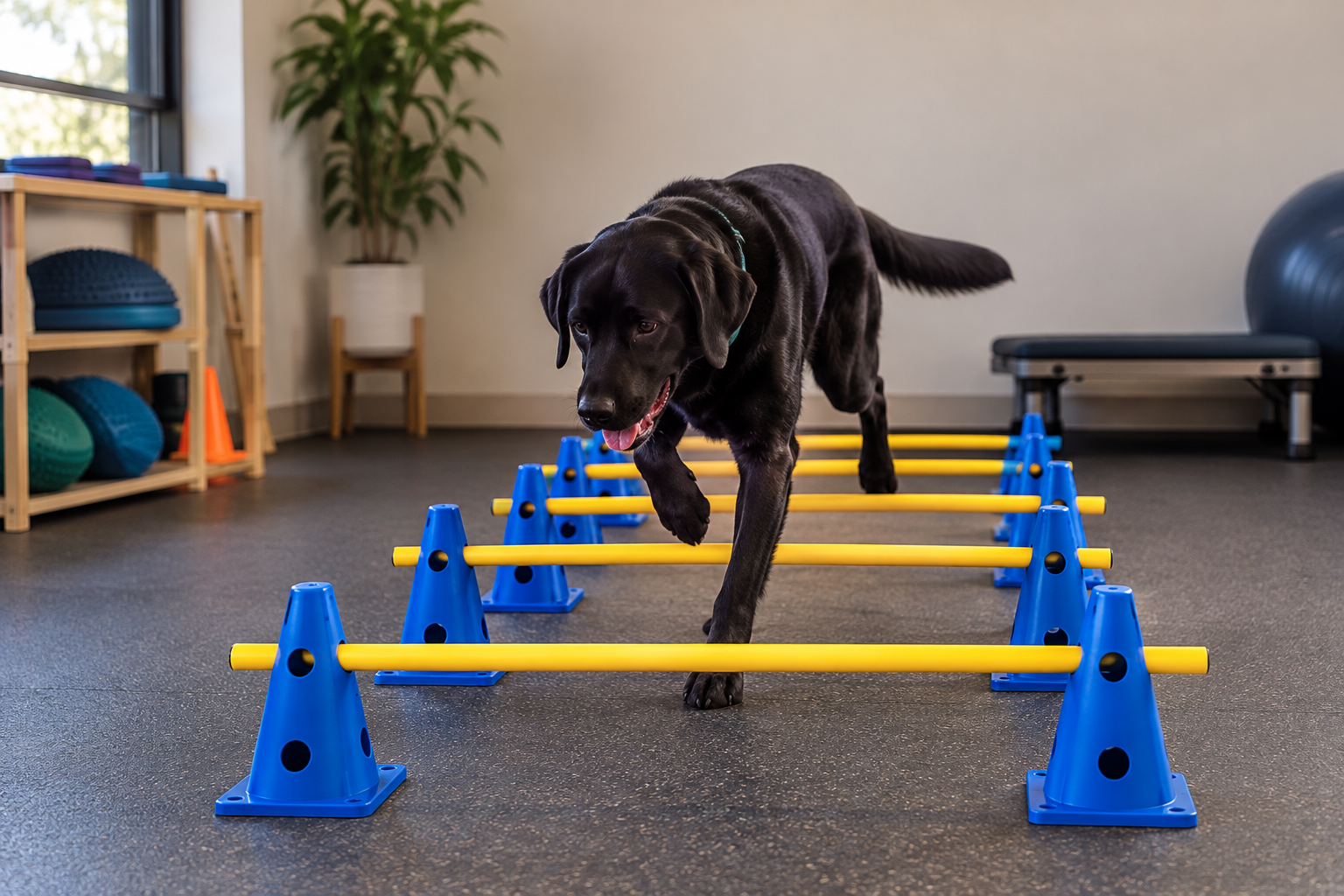
Individualized exercises designed to improve strength, flexibility, balance, coordination, endurance, and overall function.
Therapeutic Exercise
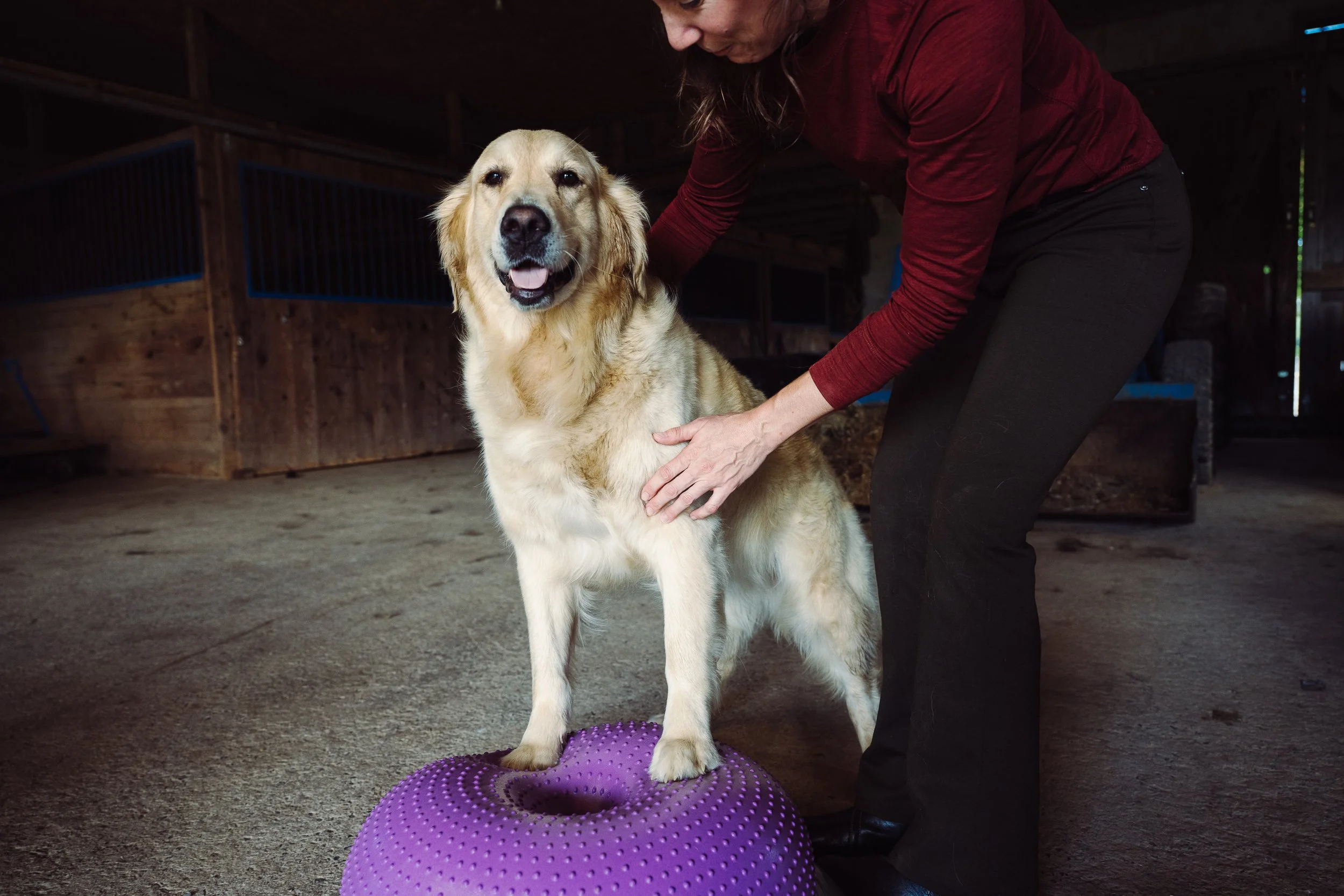
Neuromuscular Re-education
Targeted activities that help retrain movement patterns, improve body awareness, and restore efficient, coordinated motion after injury or neurologic disease.
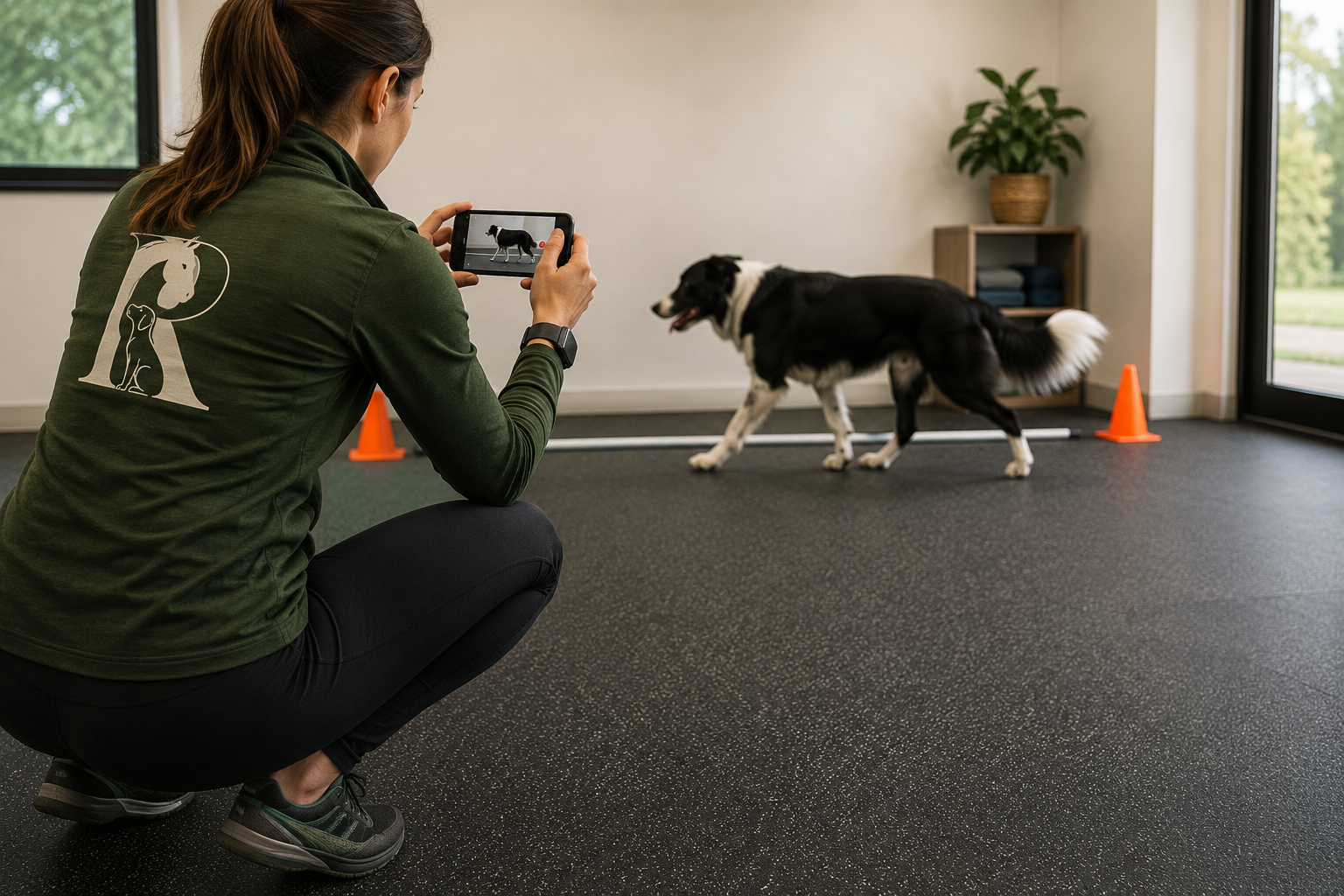
Careful evaluation of movement, posture, and slow-motion video to identify compensation patterns and guide individualized treatment decisions.
Movement analysis
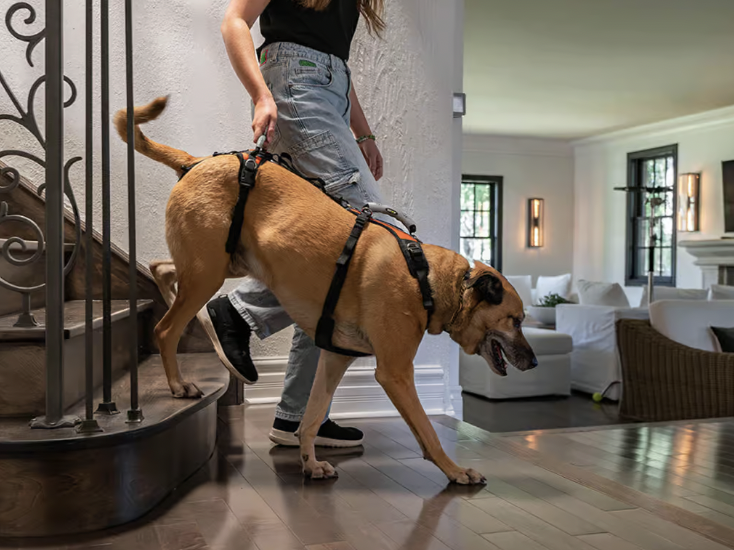
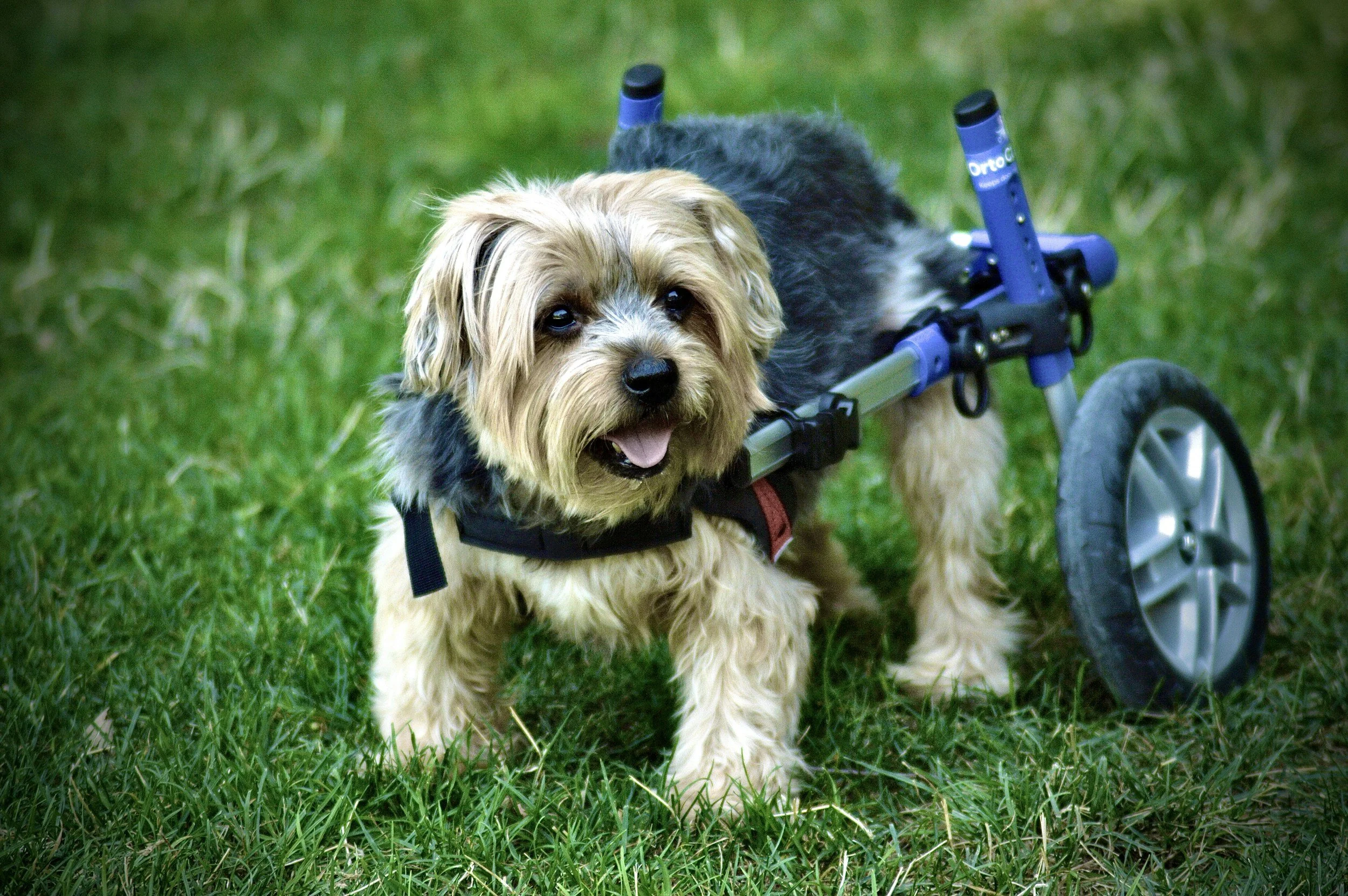
Individualized home exercises, environmental modifications, and adaptive equipment (including carts, orthoses, harnesses, etc.) recommendations to support progress between visits.
Home Exercise Program & Lifestyle support
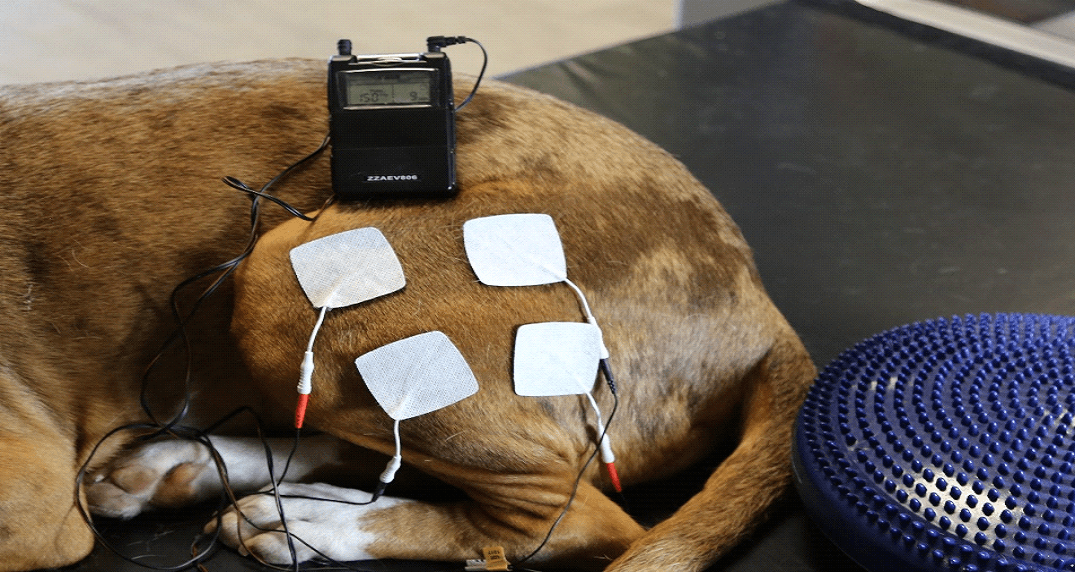
Evidence-informed tools such as electrical stimulation, PEMF, ultrasound, and other modalities used when appropriate to complement rehabilitation.
Modalities
Common reasons owners seek rehabilitation for their dog(s)
Orthopedic Conditions:
For dogs experiencing pain, limping, arthritis, or recovering from orthopedic surgery.
Cranial Cruciate Ligament (CCL) Injury
TPLO / TTA Rehabilitation
Hip Dysplasia
Elbow Dysplasia
Osteoarthritis
Patellar Luxation
Tendon & Muscle Injuries
Fracture Rehabilitation
Shoulder Injuries
Developmental Orthopedic Conditions
Neurologic Conditions
Helping improve mobility, coordination, balance, and independence.
Intervertebral Disc Disease (IVDD)
Fibrocartilaginous Embolism (FCE)
Degenerative Myelopathy
Peripheral Nerve Injuries
Vestibular Disease
Post-operative Neurologic Rehabilitation
Senior Dogs
Helping dogs stay comfortable, mobile, and engaged throughout aging.
Arthritis Management
Strength & Balance Training
Mobility Decline
Weight Management and conditioning
Fall Prevention
Maintaining Independence
Don't see your dog's condition?
Every patient is unique. Rehabilitation can benefit many orthopedic, neurologic, post-surgical, and mobility-related conditions beyond those listed here.
If you're wondering whether rehabilitation may be appropriate for your dog, I'd be happy to discuss your individual situation.
Frequently Asked Questions
-
Canine rehabilitation services are offered at Allegheny Spay & Neuter Clinic, located at 2601 E. College Avenue, State College, PA.
Resolute Animal Rehabilitation operates as an independent practice within the clinic, working collaboratively with Dr. Mary Ellen Sayre of ZenPet Veterinary Care to provide coordinated veterinary oversight and physical rehabilitation services.
By appointment only.
-
Yes, a veterinary referral is required to begin rehabilitation. Referrals from your dog's existing veterinarian are always welcome, and there is no need to change veterinarians to receive rehabilitation services.
If you're seeking a new diagnosis, a second opinion, or additional veterinary evaluation, I collaborate with Dr. Mary Ellen Sayre of ZenPet Veterinary Care, who also provides veterinary oversight for rehabilitation services. Your dog's existing veterinarian remains an important part of the care team throughout the rehabilitation process.
-
Your dog's first visit includes a comprehensive evaluation of their medical history, movement, mobility, strength, comfort, and functional limitations. We'll discuss your concerns and goals to help develop an individualized rehabilitation plan.
Depending on your dog's needs, the initial evaluation may be performed by Dr. Mary Ellen Sayre of ZenPet Veterinary Care, Dr. Maggie Selzer, or both collaboratively. Dogs referred by an existing veterinarian or surgeon may proceed directly to a rehabilitation evaluation, while those requiring a new diagnosis or additional medical assessment may benefit from veterinary evaluation or a collaborative appointment.
You'll leave with a clear understanding of your dog's rehabilitation needs, recommended next steps, and guidance for supporting their progress at home.
-
Every dog is different. Some benefit from just a few visits and a home exercise program, while others require more ongoing rehabilitation depending on their diagnosis, individual goals, and progress. The frequency and duration of care are tailored to your dog's needs and adjusted as they improve.
-
Absolutely. Home programs are an important part of rehabilitation. Exercises and recommendations are tailored to your dog’s needs and designed to fit realistically into your daily routine.
-
Yes. Communication with your dog's veterinarian is an important part of the rehabilitation process. I provide progress updates and collaborate with your dog's veterinarian or surgeon to ensure rehabilitation complements their medical care and treatment recommendations.
-
Absolutely! Rehabilitation isn't just for injuries or surgery. Many senior dogs benefit from individualized programs designed to maintain strength, improve mobility, manage discomfort, and support overall quality of life.
-
Absolutely! Rehabilitation isn't limited to postoperative recovery. Many dogs benefit from conservative (non-surgical) rehabilitation to manage arthritis, muscle injuries, neurologic conditions, chronic pain, mobility changes, and performance concerns. Treatment is tailored to your dog's diagnosis, needs, and goals.
-
Yes. I work with custom orthotic manufacturers to perform casting or molding, coordinate fabrication, and ensure the final device fits comfortably and functions as intended. I can also provide guidance with mobility carts, supportive harnesses, and other adaptive equipment when appropriate.
Not sure if rehabilitation is the right next step?
You don't have to know whether rehabilitation is the answer before reaching out.
Sometimes rehabilitation is exactly what's needed. Other times, additional diagnostics, medical treatment, or simply monitoring may be the better next step. My goal is never to recommend more care than your dog needs—it's to help you make thoughtful, informed decisions that support their long-term health and quality of life.